
What to Look for When Choosing a Dog Walker in Colchester
The dog walking industry in the UK is largely unregulated, which means the responsibility for finding someone genuinely trustworthy falls entirely on you. Here is what to look for.
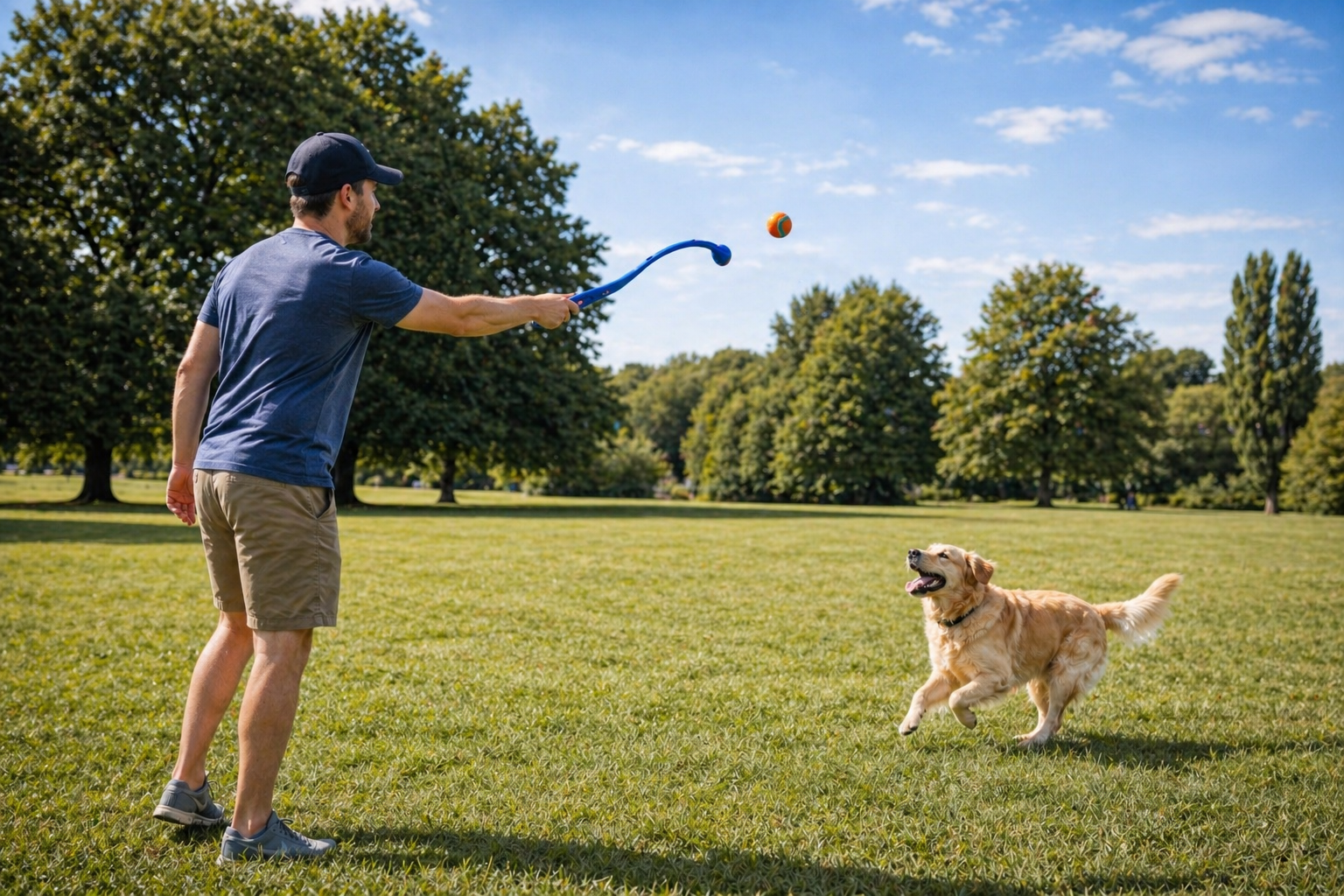
Your Dog Loves the Ball Thrower. That Doesn't Mean It's Good for Them.
Dogs love the ball thrower. That's exactly the problem. The chase instinct kicks in, the arousal spikes, and most dogs will keep going long after their body is telling them to stop. Over time that takes a toll, physically and behaviourally. In this post I explain why ball throwers don't feature in my walks, what I learned from my own Labrador, and what a genuinely fulfilling walk looks like instead.
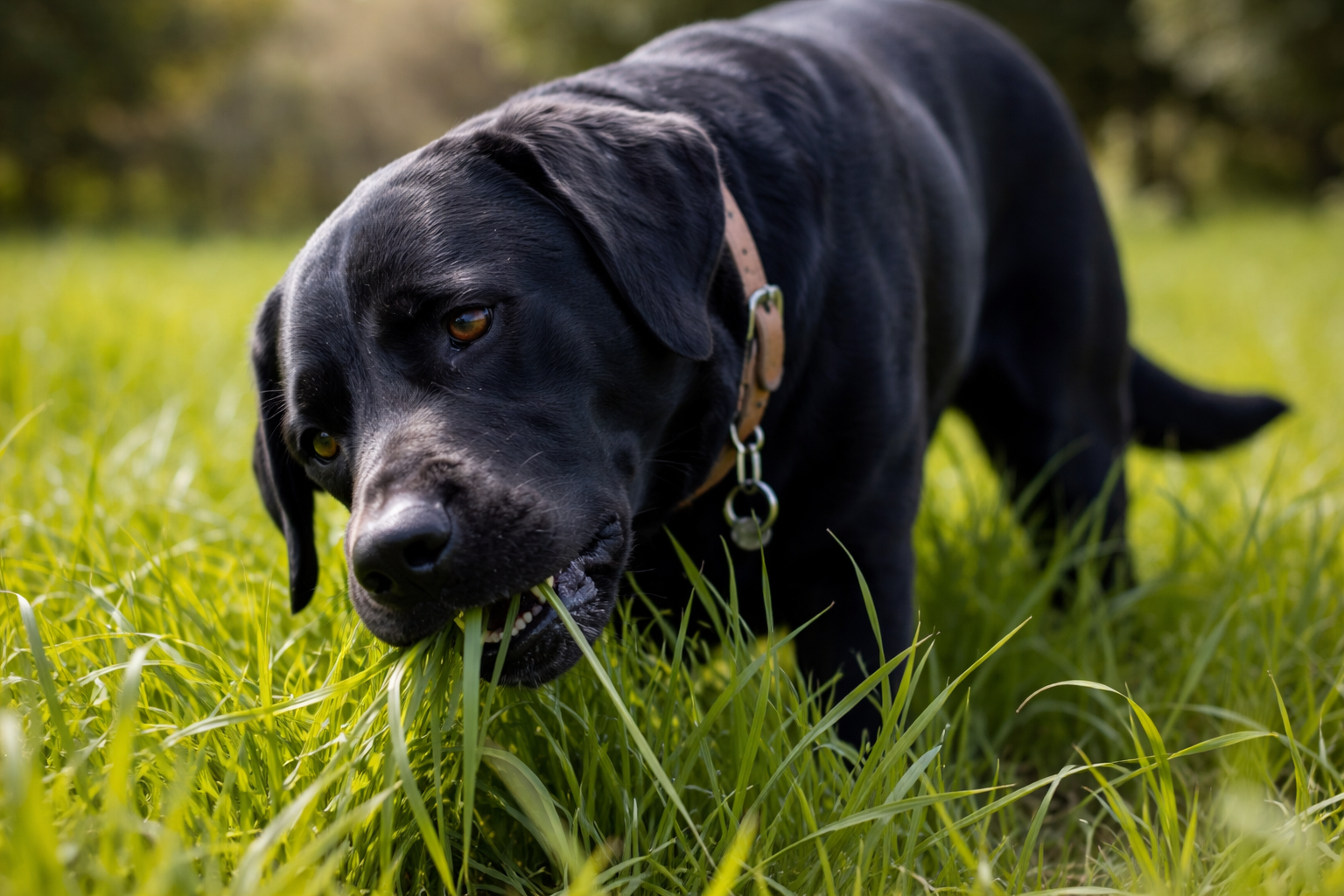
Why Dogs Eat Grass (and Why You Might Notice It More in Spring)
Dogs eating grass is something most guardians notice at some point, especially in spring when fresh shoots start appearing. But does it actually mean a dog feels sick, or is there something else going on? Research suggests grass eating is far more common, and far more normal, than many people think. This article looks at why dogs eat grass and when it might be worth paying attention.
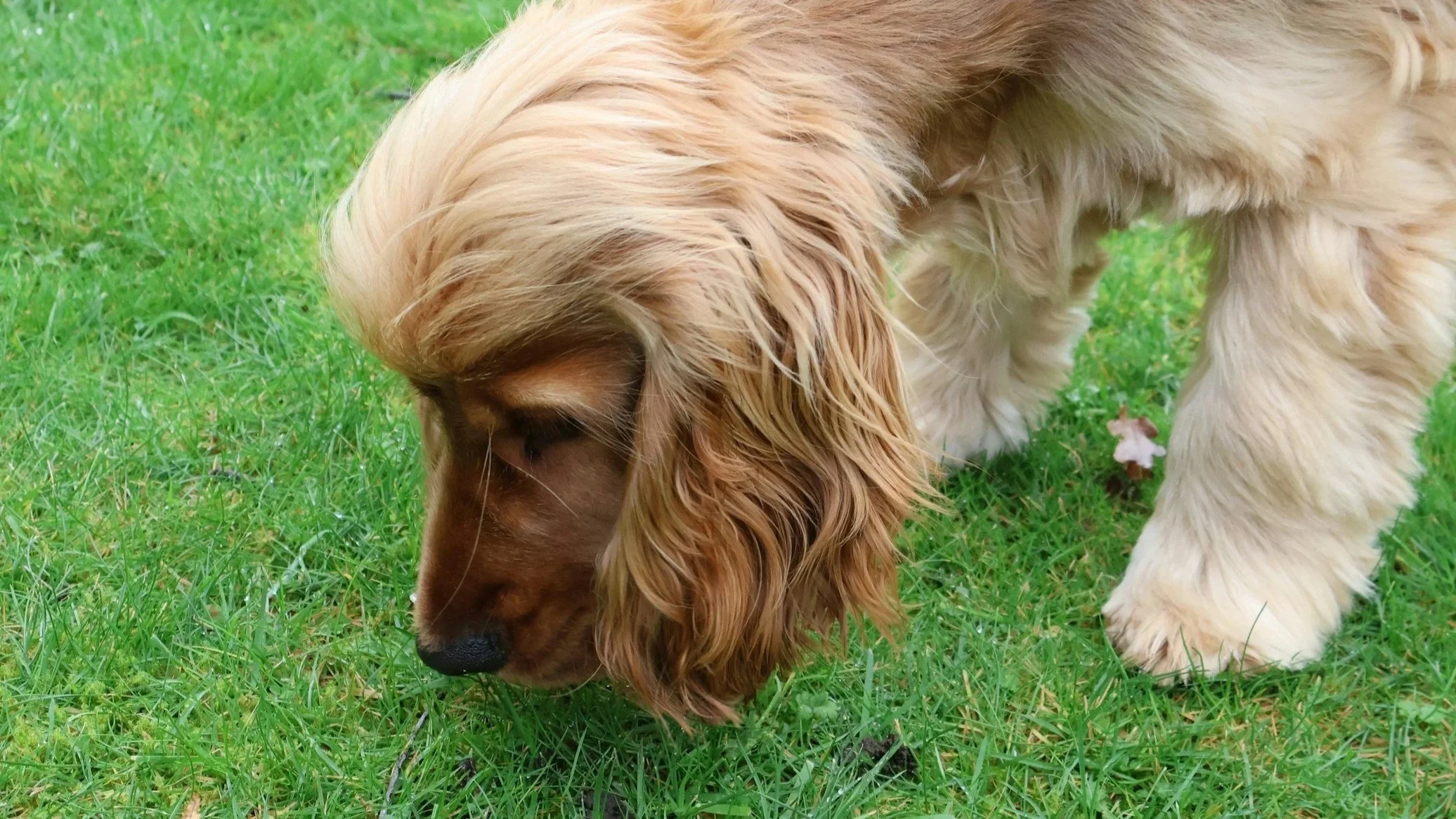
Why Sniffing Is One of the Most Important Parts of a Walk
Sniffing is one of the most important parts of a dog’s walk, yet it is often rushed or discouraged. For dogs, scent is how they understand the world. Allowing time to explore smells provides mental stimulation, supports emotional regulation and can make walks far more enriching than simply covering distance.
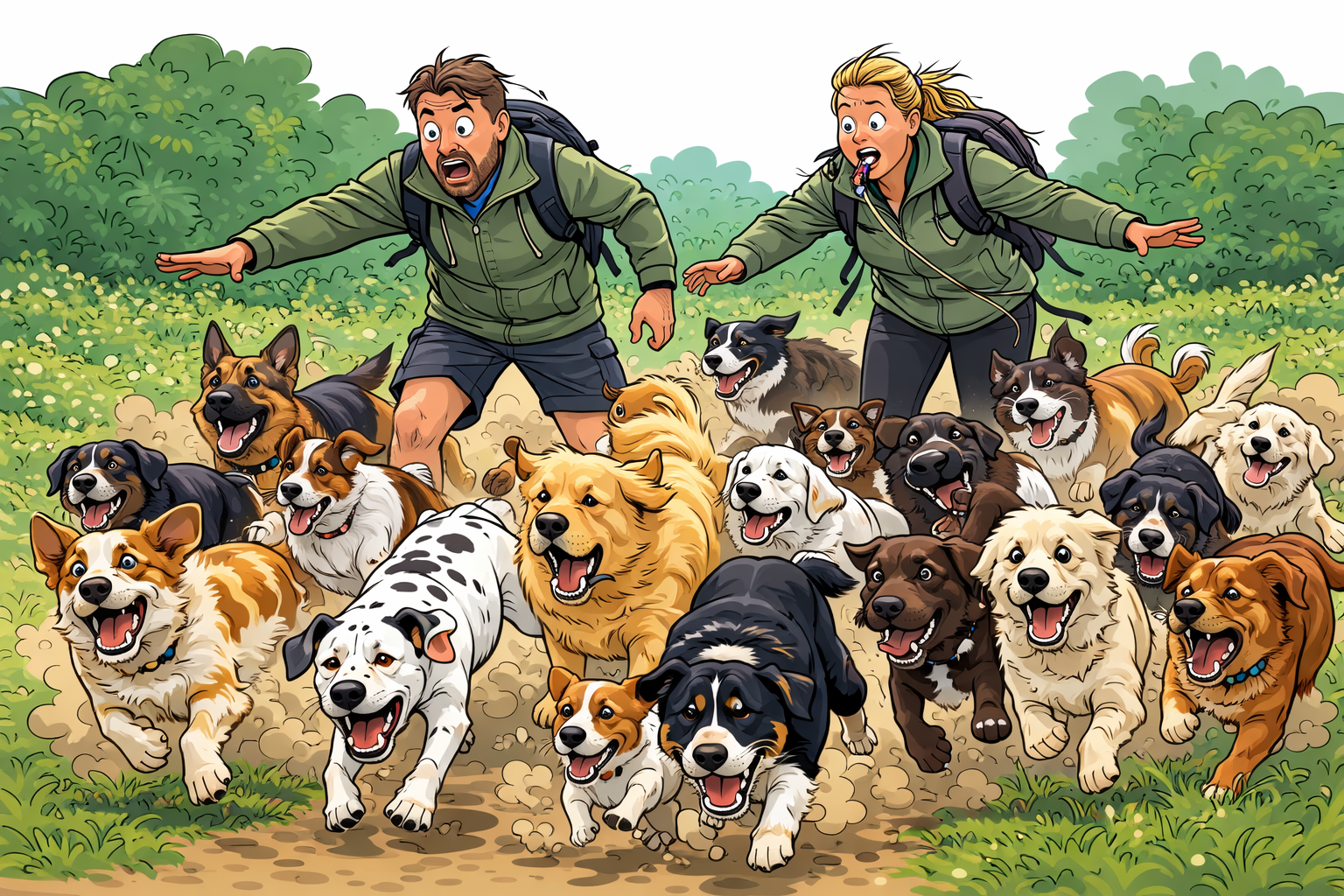
The Risks of Overcrowded Dog Walks
Large group dog walks might look lively and efficient, but they can come with hidden risks. From missed body language and rising stress levels to legal responsibility under UK law, overcrowded walks can compromise welfare and public safety. Here is what guardians should understand before choosing a group walk service.
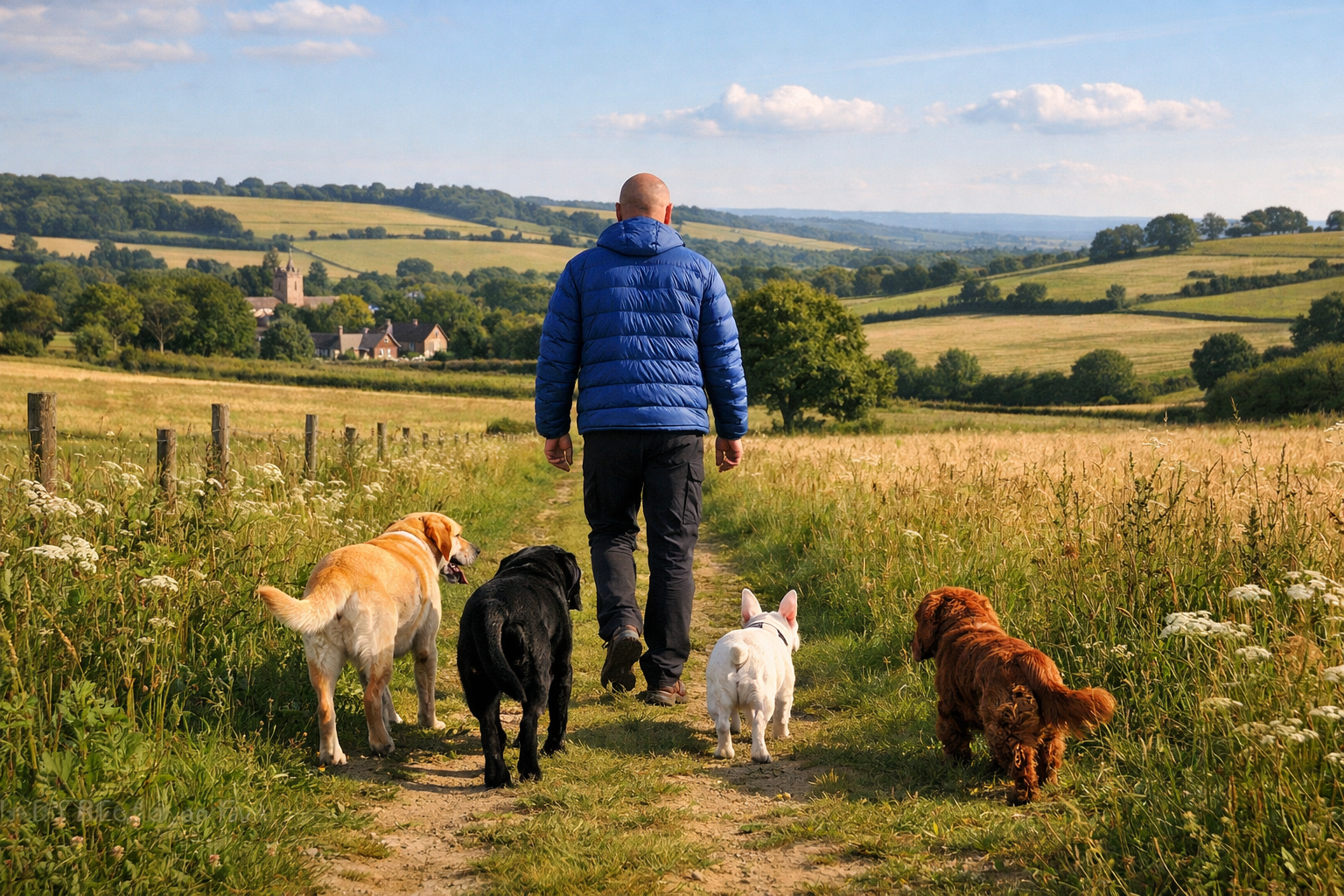
Is My Dog Suitable for Group Walks?
Not sure if your dog is suited to group walks? The right environment can build confidence, provide real enrichment and create calm social experiences, but only if your dog genuinely feels safe and relaxed around others. Here is how to tell whether group walks are the right fit for your dog.
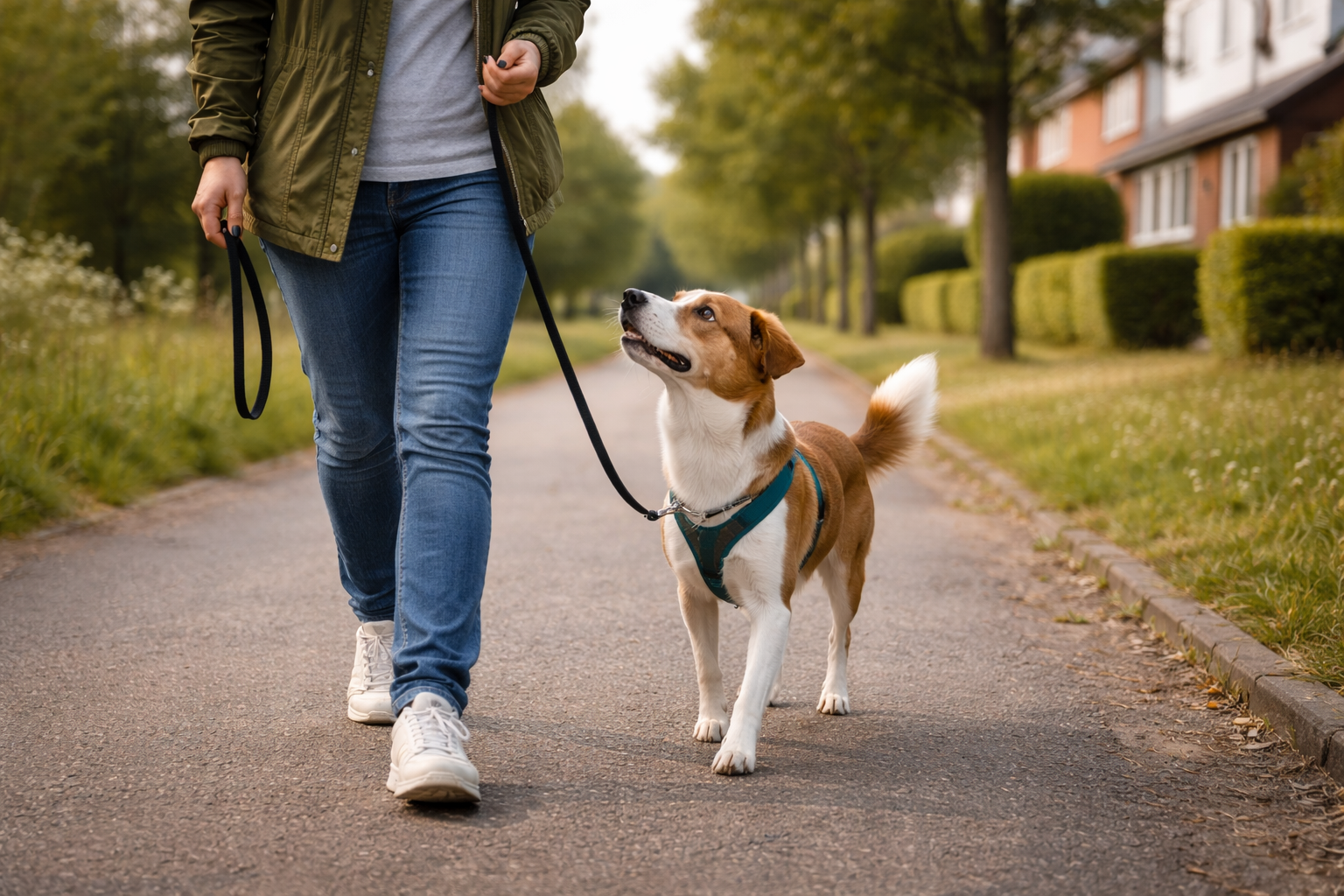
The 123 Game, A Simple Pattern for Calm Focus
The 123 game, created by Leslie McDevitt, uses rhythm and predictable reinforcement to help dogs feel calmer in distracting environments. This guide explains how to teach it, when to use it, and how it differs from the Look at That game.
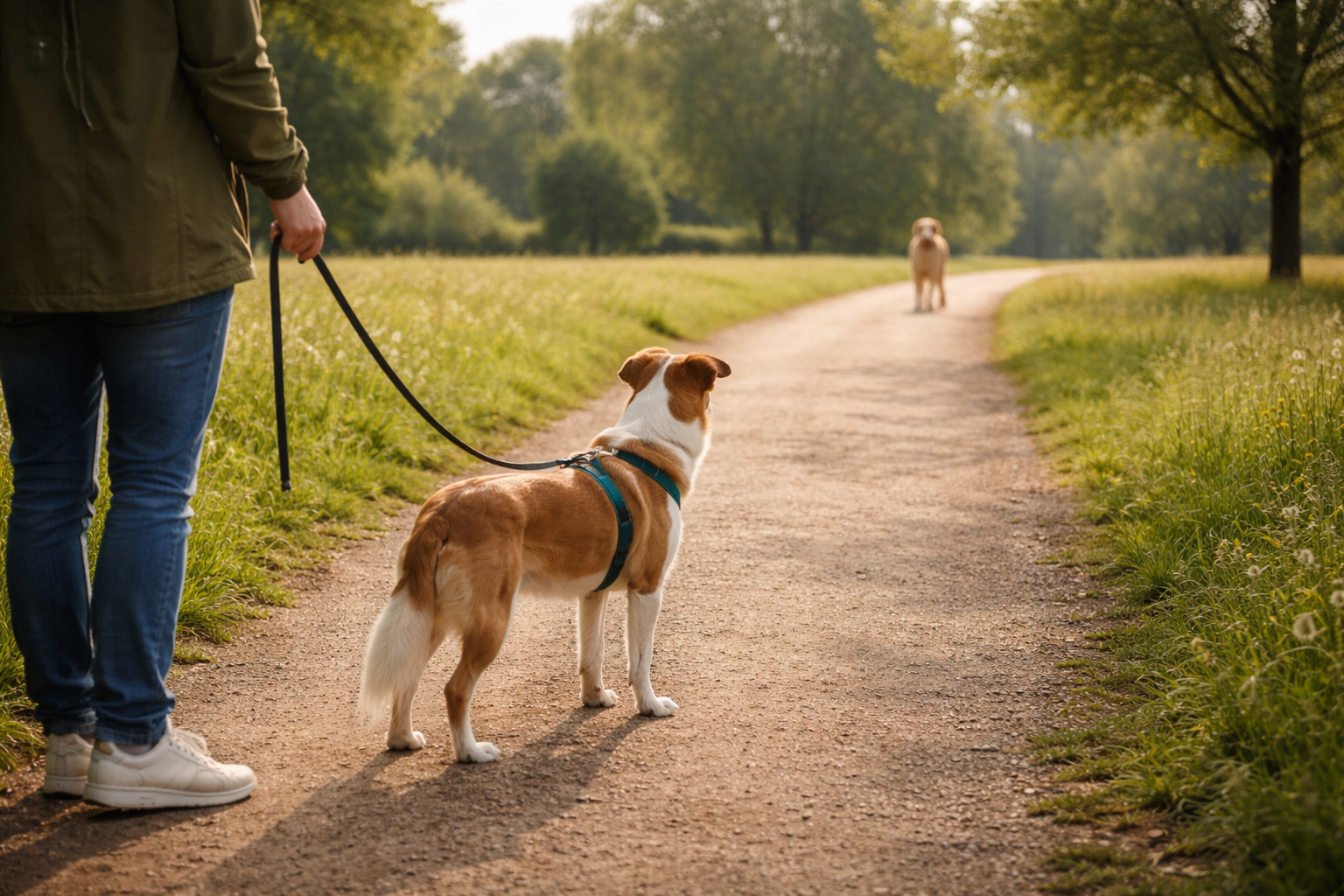
The Look at That Game, A Practical Guide for Dog Guardians
The Look at That game, developed by Leslie McDevitt, helps dogs feel calmer around triggers by rewarding calm observation. This guide explains how to teach it safely, when to use it, and how it changes emotional responses, especially for reactive dogs.

An A-Z guide to dog training and behaviour jargon that all new dog-parents should know!
Dog training is an exciting and rewarding journey, but it can sometimes feel like learning a whole new language. Terms like “positive reinforcement,” “thresholds,” and “counterconditioning” can sound intimidating at first, and it’s easy to feel overwhelmed by the jargon.
This A-Z guide is designed to demystify dog training and behaviour jargon. Each term is explained in simple, practical terms, with examples to show how they apply to real-life situations. Whether you’re a new dog owner or just looking to brush up on your knowledge, this guide will help you feel more confident and informed every step of the way.

New Year, New Adventures: Trying Something Different with Your Dog in 2025
The start of a new year is the perfect time to reflect, reset, and try something new. While many of us make resolutions for ourselves, have you thought about including your dog in your plans for 2025? Whether you’re looking to strengthen your bond, keep them physically active, or provide some mental stimulation, there are plenty of exciting activities to explore.

A Dog-Safe Christmas: Festive Foods, Training Treats, and Tips
Christmas is a time for delicious food, family gatherings, and plenty of festive cheer. While the season can be exciting for us, it can also be overwhelming for our dogs. With so many new sights, smells, and sounds—not to mention tempting food—it’s essential to keep our dogs’ safety and well-being in mind. Here’s a guide to building a dog-safe Christmas roast, foods to avoid, a festive training treat recipe, and tips on creating a peaceful spot where your dog can relax when the celebrations get too lively.

Firework night survival guide for anxious dogs
Fireworks can be really stressful for dogs, but with a bit of patience & some positive reinforcement, you can help your furry friend feel a lot more relaxed when those big bangs go off. The key is to turn firework sounds into something they associate with fun or tasty rewards. Here’s a friendly, easy-to-follow guide to help you get started...

Paws and effect: The power of TTouch for dogs
Looking for a gentle way to help your dog feel more relaxed and improve their behaviour? T-Touch, or Tellington TTouch, might be just what you need. Developed by Linda Tellington-Jones, this technique involves soft, circular touches and movements that can enhance your dog’s well-being and strengthen your bond. In this blog, we'll explore the basics of T-Touch and its benefits, from easing stress and anxiety to boosting physical health. Discover how this calming method can make a positive difference in your dog's life…

Sniffing Out the Benefits: Why Dog Walking Matters
Just like us, dogs need regular exercise to stay healthy. Regular walks help maintain a healthy weight, reduce the risk of obesity, and improve cardiovascular health. Plus, walking promotes joint mobility and can stave off arthritis, ensuring your pup remains active and playful…

Managing arthritis in senior dogs: Essential tips for a happier, healthier dog
As our beloved furry friends age, they may face health challenges, just like humans do. One of the most common issues elderly dogs encounter is arthritis. Arthritis in dogs can lead to pain, reduced mobility, and a decrease in their overall quality of life. However, with the right care and attention, you can help your senior dog live comfortably and happily. Here’s a guide to understanding and managing arthritis in elderly dogs.

Training Dogs with Operant Conditioning: The Power of Pawsitive Reinforcement!
Training your dog can be a rewarding experience, especially when you use operant conditioning. This method involves shaping your dog's behaviour through consequences, and positive reinforcement is the most effective and humane approach…
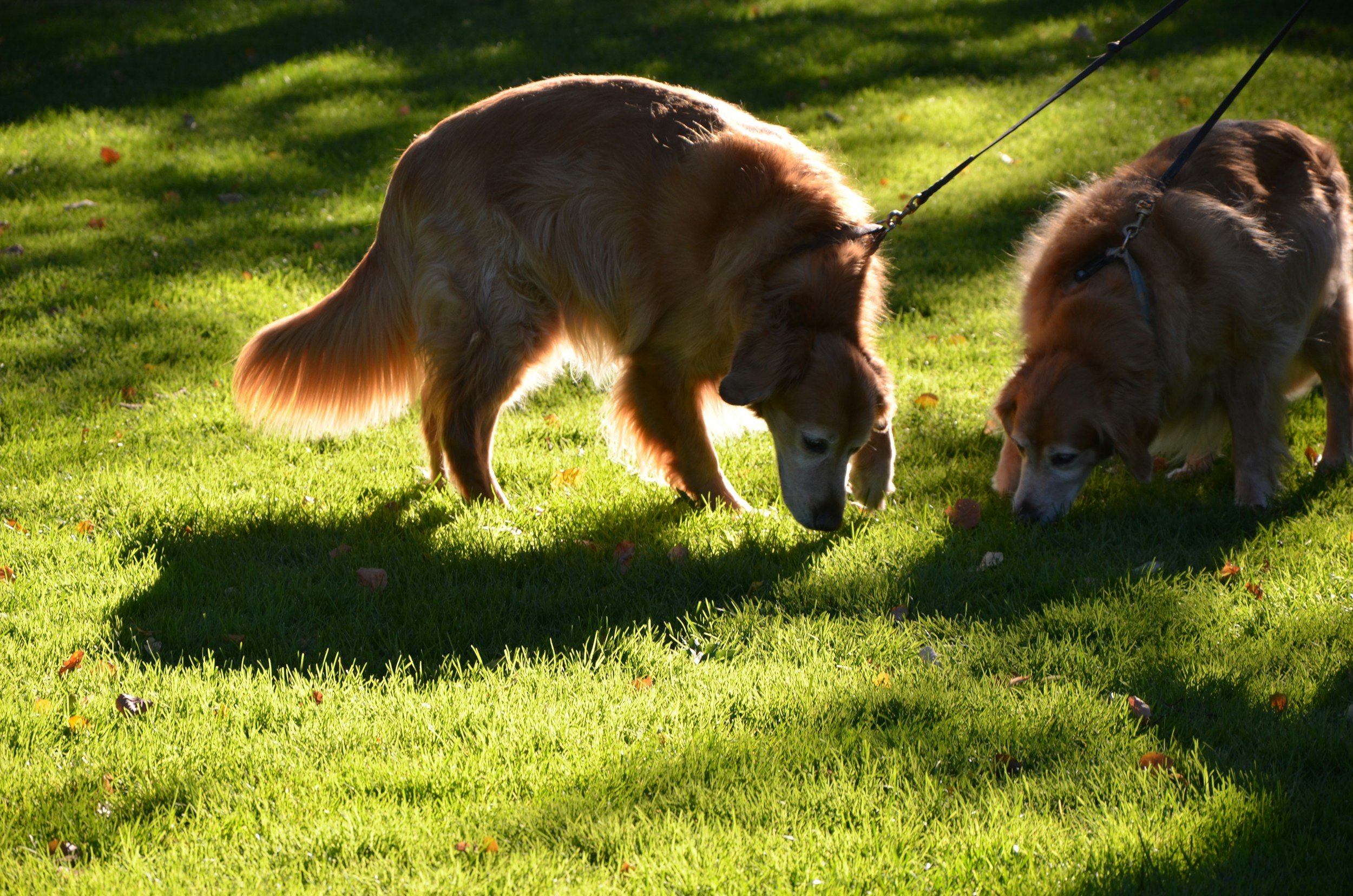
Not all dog walks are equal
Walking your dog is already a great way to keep them healthy and happy, but have you ever thought about adding a little twist to make it even better? Scatter feeding is a fun and easy way to do just that. It involves tossing small amounts of your dog’s food or treats into the grass or other surfaces during your walk.